
The Digital Doors We Forget to Lock
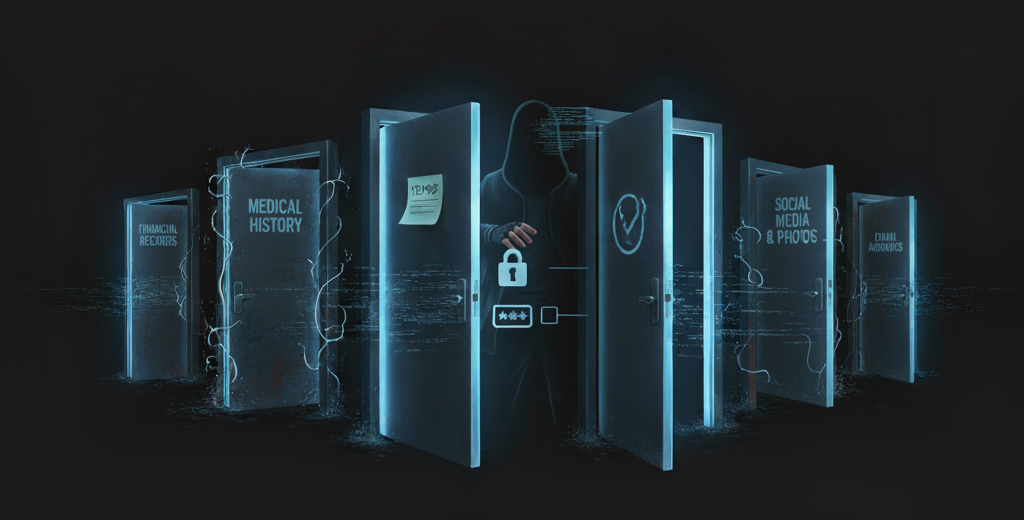
From Vaults to Virtual Risks
Every day, we step into a digital world filled with ease and speed. We open bank apps, transfer money, approve payments, and access sensitive information from our phones and laptops. It feels effortless. But behind that convenience, there are risks many of us overlook.
In the physical world, banks were once protected by strong doors, alarm systems, and guards. Documents were locked in cabinets. Only a few trusted people had access to the most sensitive information. Security was visible, and everyone understood its importance.
Today, many of those same responsibilities have moved online. But the danger hasn’t disappeared. It has simply changed form. Hackers don’t need to break in through windows. They don’t wear masks. They write code, send emails, and wait for small mistakes.
Small Gaps, Big Consequences
A weak password is all it takes for someone to access a savings account. A single link in a fake email can lead to stolen customer data. A missed software update can allow criminals to slip into the system quietly, without triggering any alarms.
For families, this might mean financial loss. For small businesses, it could result in broken trust. But for institutions that handle loans, investments, and personal data, the cost is far greater. These organizations protect more than money. They protect confidence. They protect reputations that took years to build.
Security Is a Daily Habit
True security is not something we buy once and forget. It is something we practice every day. Using a password manager helps us avoid weak or repeated passwords. Turning on two-factor authentication adds another layer of protection, like asking a second question before handing over the keys.
But even with good tools, danger can return if people let their guard down. Teams must be trained to recognize signs of fraud. That email marked “urgent” asking for a transfer to a new account should always raise a question. A system update delayed for tomorrow might open a door today.
Everyone Has a Role
In any financial institution, everyone has a role to play. From the teller at the front desk to the IT engineer behind the scenes, every action matters. Each time someone updates software, questions a suspicious request, or follows security protocols, they help protect the whole system.
This is how we build a stronger defense. Not just with technology, but with awareness. Parents can talk to their children about fake apps. Store owners can treat customer data with the same care as cash. Bankers can build security into every transaction.
Simple Steps, Strong Culture
Security does not have to be complicated. It starts with simple actions. Lock your screen when you leave your desk. Use unique passwords. Double-check unexpected messages. These small habits grow into a strong culture where everyone feels responsible.
Protecting digital systems is no longer just a job for experts. It belongs to all of us. When we stay alert, ask questions, and care about safety, we create an environment where threats find no open doors.
Start today. Stay aware. And remember, the strongest vault is the one everyone helps to keep locked.